.svg)
.svg)
How can you make sure you're protected against defects you can't see?
.svg)
.svg)
Many assume that county or township code enforcement officers, the permitting and inspection process, building site quality control efforts, and the builder’s follow-on warranty will identify and correct any construction defects. This, after all, is what drives most customers to build a new home over buying an existing home. Let’s break this down to discover why these assumptions are extremely naïve.
In the building trades, revisiting completed work (call backs) reduces profit and diverts materials and employees into activities that increase costs. So, there’s an incentive to focus on the things that customers will almost certainly notice and less motivation to make sure that things out of sight are done correctly. How many people have attended their pre-drywall inspection and, upon arrival, became too intimidated to ask any significant questions? Builder’s count on your lack of construction knowledge. Remember, a product that has no customer identified issues remains profitable because there is no rework.
In Delaware, the function of our local governments only extends to administrative and enforcement responsibilities. They issue the permits, the certificate of occupancy, the 911 address, fines/stop work orders, and collect the fees and taxes related to the new home. Code enforcement focuses exclusively on unauthorized building activities: if there’s a permit posted and site rules are followed (such as restrictions on hours available for construction activities), there’s only tangential involvement with the construction process. The actual building code inspections are delegated/awarded to another for-profit business for completion.
So, real oversight is provided by employees/subcontractors who you will never meet working for businesses (builder and an inspection agency/subcontractor) that are incentivized by profit maximization through high volume and quick turnaround activities. You’ll never know if there were any defects identified, repairs, etc. because it interferes with these activities, and there is seldom any documentation other than barely legible dates and initials on a sticker placed in the electric panel.
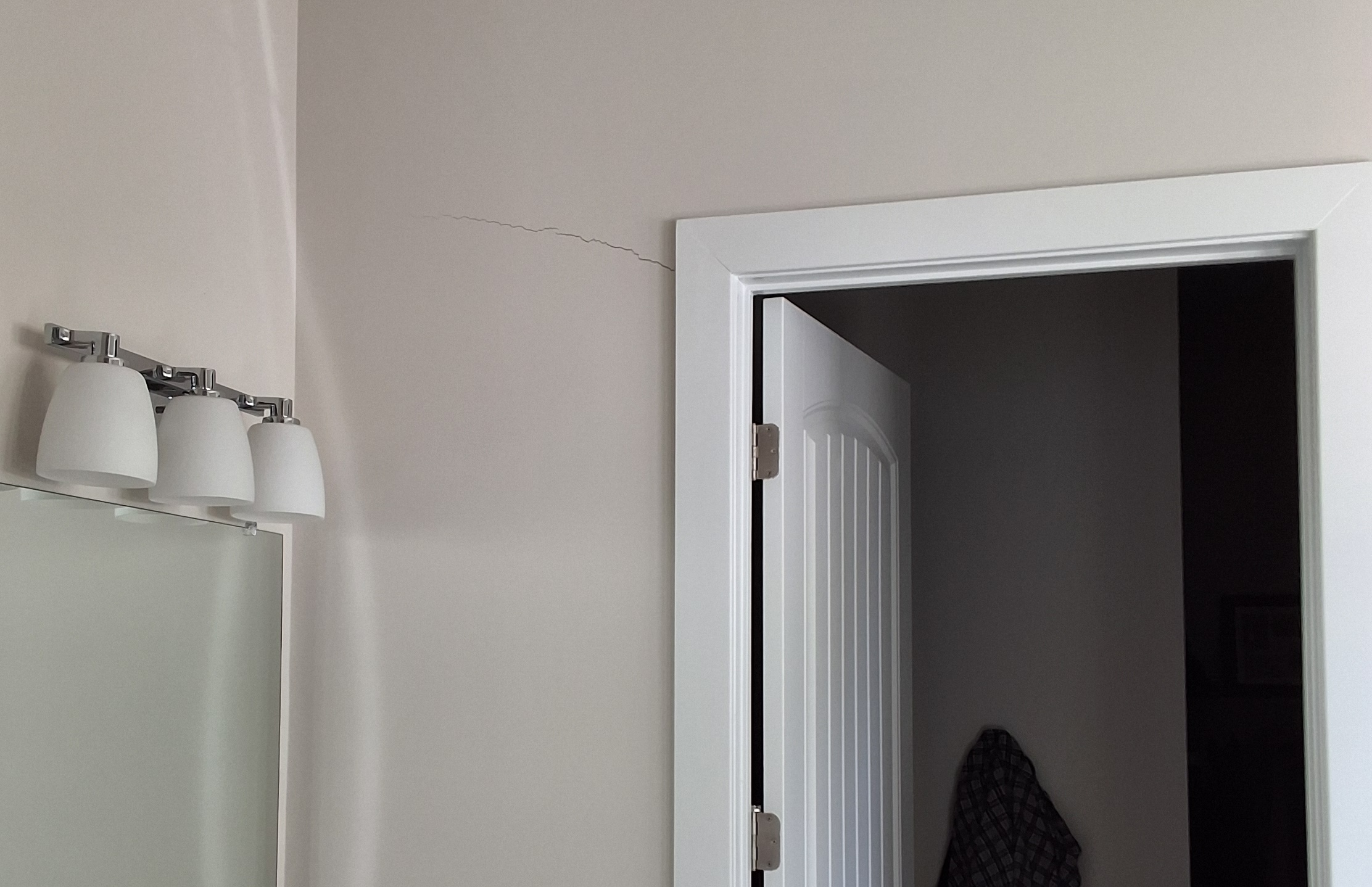
So, the post purchase warranty period is where defects get identified…by you. Typically, these are “blue tape” finishing issues or operational problems with home systems (like the HVAC equipment) that had installation issues. Then the warranty period is over, and you are on your own to resolve anything else. This gets real later down the road when the roof starts coming apart, the floor starts sagging, the stone veneer is dropping off the front wall, stains or mold appears on the ceiling, or the home is eventually listed for sale (and the buyer’s inspector finds them). Few things are more infuriating than having to fix a builder’s defect several years later at your additional expense.
It’s okay to trust the builder’s promises when it comes to your new home, but independently verifying there are no significant defects is the only sensible way to go. Schedule a low-cost inspection with our experienced building trades home inspectors and get the peace of mind you deserve.
.svg)
.png)

.svg)
.svg)
.svg)